

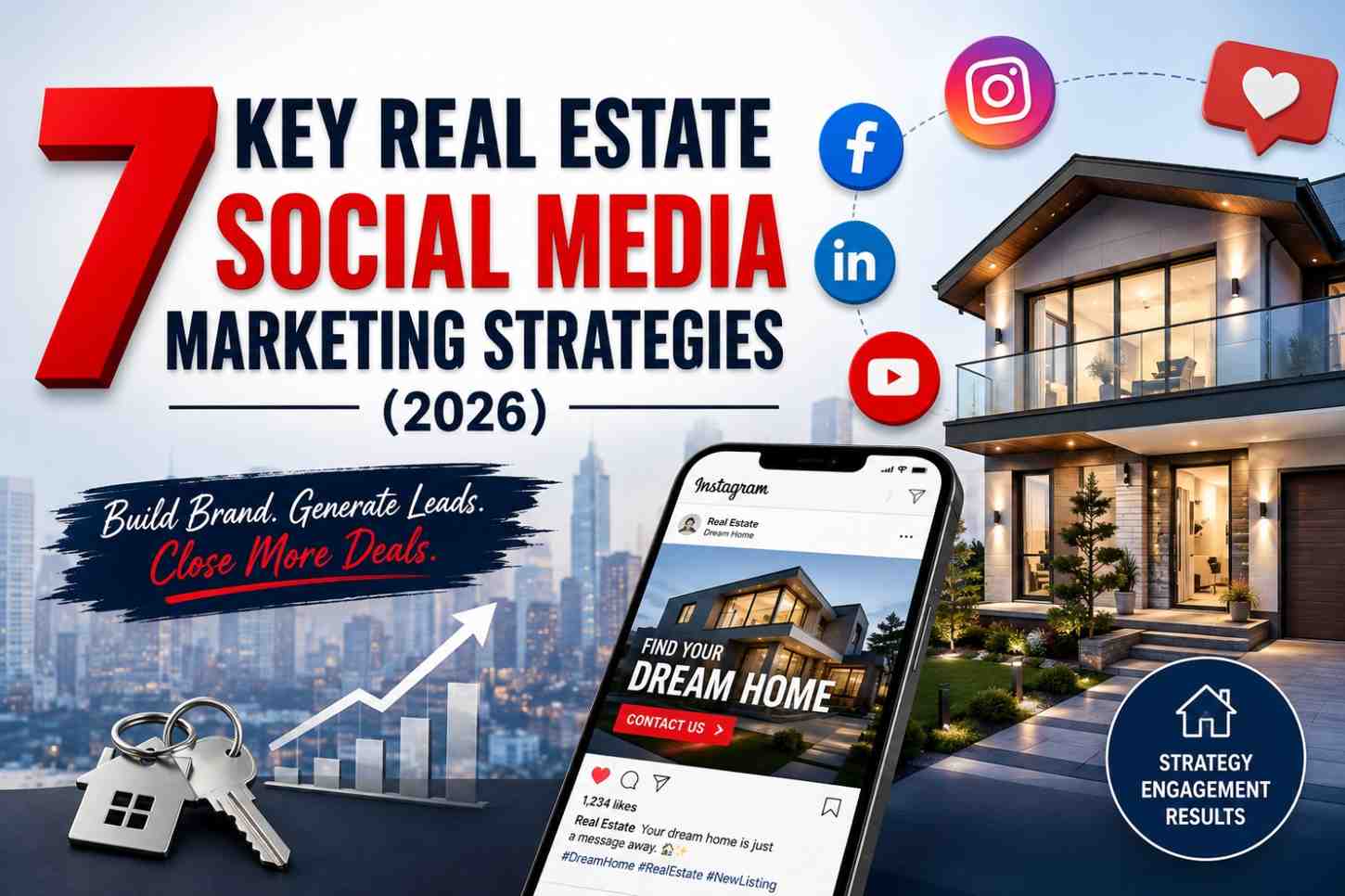
The real estate industry has become increasingly digital, and social media is now one of the most effective ways to build trust, showcase expertise, and connect with potential buyers and sellers. In 2026, people often begin their home-buying journey online, making a strong social media presence an essential part of any successful real estate marketing strategy.
However, success on social media isn't about posting property photos alone. It requires consistency, valuable content, meaningful engagement, and a clear understanding of what your audience wants to see.
Whether you're an experienced REALTOR, an investor, or just starting your real estate career, these seven social media marketing strategies can help strengthen your online presence and generate more qualified leads.
1. Create Valuable Content Instead of Constant Sales Posts
One of the biggest mistakes real estate professionals make is focusing only on listings. While showcasing available properties is important, audiences are more likely to follow accounts that educate, inform, and inspire.
Consider sharing content such as:
• Home-selling advice
• Mortgage basics
• Local market updates
• Investment insights
• Renovation ideas
• Community highlights
Educational content positions you as a trusted resource rather than someone who only promotes listings. Over time, this helps build credibility and keeps your audience engaged.
2. Use High-Quality Photos and Videos
Real estate is highly visual, making quality content essential for social media success.
Professional-looking visuals can help showcase:
• Property interiors
• Exterior features
• Neighborhood amenities
• Lifestyle opportunities
• Home staging ideas
• Before-and-after transformations
Short-form videos have become especially popular because they allow buyers to experience a property's layout and features in a more engaging way.
Consistently using clear, well-lit, and professionally presented visuals helps create a positive first impression.
3. Build Trust Through Personal Branding
People often choose to work with real estate professionals they know, like, and trust.
Your social media profiles should reflect your personality, expertise, and values.
Share content that highlights:
• Your experience
• Success stories
• Behind-the-scenes moments
• Community involvement
• Professional achievements
• Client education
Authenticity helps humanize your brand and creates stronger connections with your audience.
4. Stay Consistent Across Platforms
Consistency is one of the most important factors in building an online presence.
Create a posting schedule that allows you to remain visible without sacrificing quality.
Your content calendar might include:
• New listings
• Market reports
• Client testimonials
• Home-buying tips
• Local events
• Frequently asked questions
• Property tours
Regular posting helps keep your audience engaged while increasing brand recognition over time.
5. Engage With Your Audience
Social media is designed for conversations, not one-way communication.
Responding to comments, answering questions, and interacting with followers helps strengthen relationships.
Ways to encourage engagement include:
• Asking questions
• Creating polls
• Hosting Q&A sessions
• Responding promptly to messages
• Thanking followers for their support
Meaningful engagement often leads to stronger trust and increased referral opportunities.
6. Showcase Your Local Market Knowledge
One of the best ways to stand out is by demonstrating expertise in your local community.
Share updates about:
• Neighborhoods
• Schools
• Parks
• Restaurants
• Community events
• New developments
• Local housing trends
People aren't just buying a house—they're choosing a community. Providing local insights helps buyers make informed decisions while positioning you as a neighborhood expert.
7. Measure Performance and Adjust Your Strategy
Effective marketing requires ongoing evaluation.
Review your social media performance regularly by monitoring:
• Reach
• Engagement
• Profile visits
• Website traffic
• Lead inquiries
• Video views
• Audience growth
Understanding which types of content perform best allows you to refine your strategy and focus on what resonates with your audience.
Social media trends continue to evolve, so flexibility and continuous improvement are key to long-term success.
Common Social Media Mistakes to Avoid
Even experienced real estate professionals can limit their success by making avoidable mistakes.
Some common examples include:
• Posting inconsistently
• Using poor-quality images
• Ignoring comments and messages
• Publishing only promotional content
• Failing to include clear calls to action
• Neglecting local community content
• Copying competitors instead of creating an authentic brand
Avoiding these mistakes helps create a more professional and engaging online presence.
Why Social Media Matters in Real Estate
Today's buyers and sellers often research agents online before making contact.
A strong social media presence can help you:
• Build credibility
• Increase brand awareness
• Educate potential clients
• Generate leads
• Stay connected with past clients
• Strengthen referral relationships
• Demonstrate market expertise
When combined with excellent customer service and local market knowledge, social media becomes a powerful long-term marketing tool.
Final Thoughts
Social media has transformed the way real estate professionals connect with buyers and sellers. In 2026, success isn't determined by how often you post—it depends on the value you provide, the relationships you build, and the trust you earn.
By creating helpful content, showcasing your expertise, engaging with your audience, and maintaining a consistent online presence, you can establish yourself as a trusted real estate professional while expanding your reach.
At Jag Sidhu Real Estate Group, I believe every post should educate, inform, or inspire. Whether you're buying your first home, selling your current property, or exploring investment opportunities, my goal is to provide valuable information that helps you make confident real estate decisions.
A thoughtful social media strategy isn't just about growing followers—it's about building lasting relationships that lead to long-term success.
Frequently Asked Questions (FAQs)
1. Why is social media important for real estate professionals?
Social media helps real estate professionals build brand awareness, connect with potential clients, showcase listings, and establish credibility within their local market.
2. Which social media platform is best for real estate marketing?
The best platform depends on your target audience. Many real estate professionals use a combination of Instagram, Facebook, LinkedIn, YouTube, and TikTok to reach different demographics.
3. How often should a real estate agent post on social media?
Consistency is more important than frequency. Posting several times each week with valuable, engaging content is generally more effective than posting irregularly.
4. What type of content performs best for real estate?
Property tours, educational tips, local market updates, neighborhood highlights, client success stories, and short-form videos often generate strong engagement.
5. Can social media generate real estate leads?
Yes. A consistent strategy focused on valuable content and audience engagement can help attract qualified buyers, sellers, and referrals over time.
6. How can I measure the success of my social media marketing?
Track key metrics such as engagement, reach, follower growth, website visits, inquiries, and lead conversions to understand which content performs best and where improvements can be made.
Posted by Jag Sidhu PREC* onEnjoy this blog post? Click here to subscribe for updates
Leave A Comment